
Hunting Shelter
Hunting shelter systems are designed to provide lightweight, packable protection from environmental exposure while maintaining minimal impact on overall carry weight. The range includes bivvy bags, fly tarps, groundsheets, and compact emergency shelters, each engineered to address specific shelter requirements across varied terrain and weather conditions. These systems prioritise modularity, allowing users to configure shelter setups based on duration, climate, and load constraints.
Bivvy shelters form the foundation of ultralight hunting sleep systems, offering a low-profile alternative to traditional tents. Designed for single-person use, bivvy bags utilise durable, waterproof fabrics combined with breathable membranes to manage internal condensation while preventing external moisture ingress. Their compact footprint allows deployment in restricted or uneven terrain where tent pitching is impractical. This makes them particularly suitable for mobile hunting applications where rapid setup and minimal pack volume are critical.
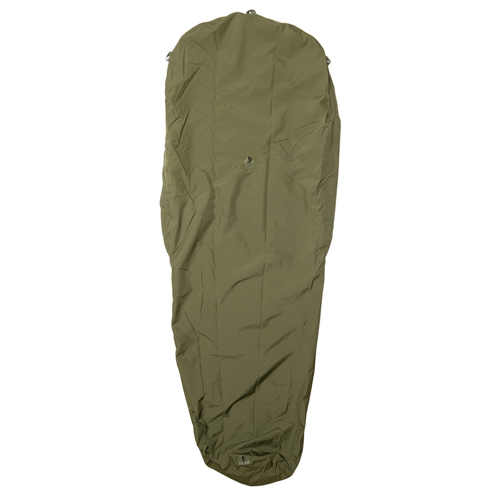
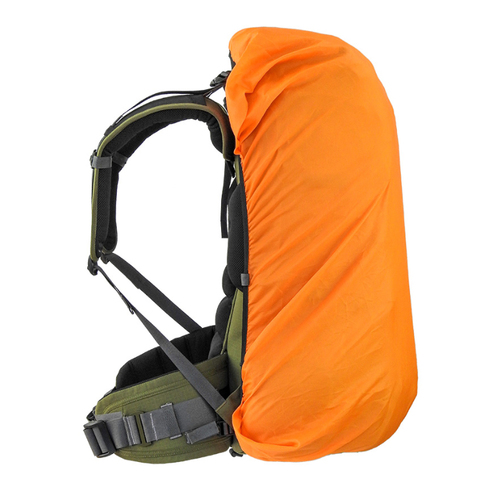
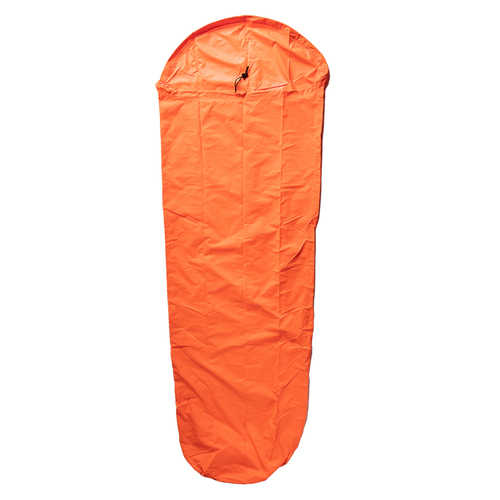
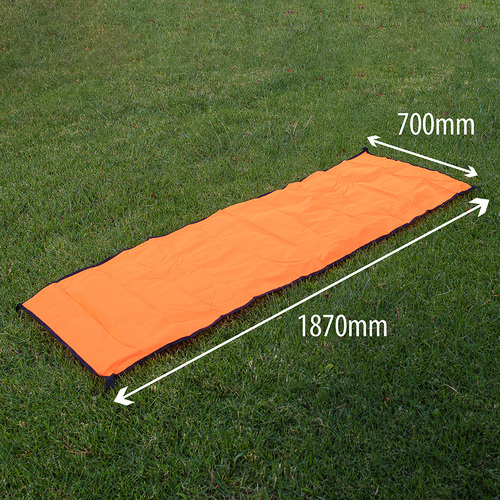
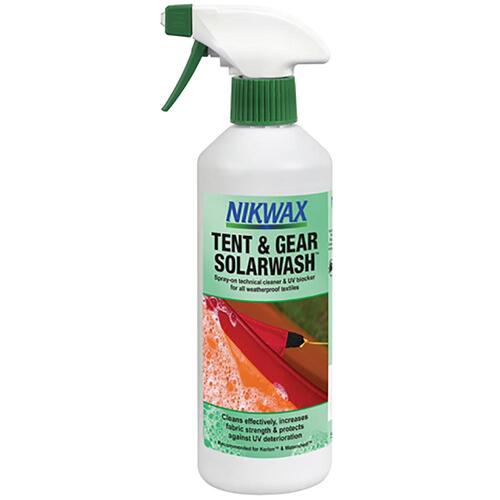
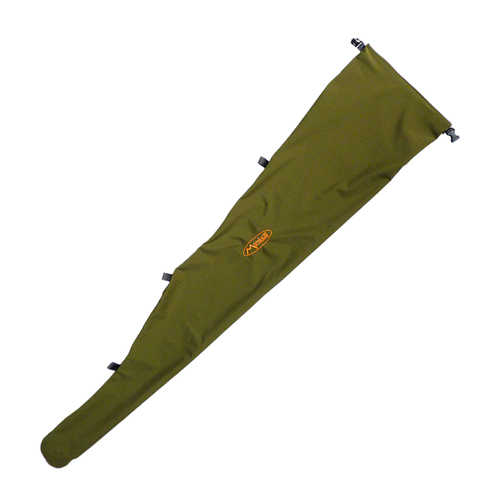
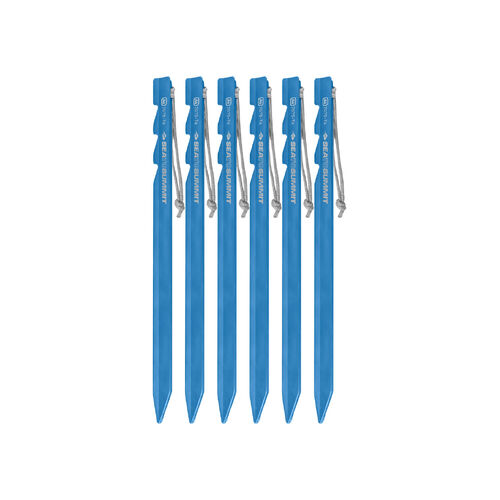
Advanced bivvy construction typically incorporates ripstop polyester or nylon fabrics with waterproof coatings and DWR treatments. These materials provide a balance between abrasion resistance and weight efficiency, while seam-sealed construction ensures consistent waterproof performance under sustained rainfall. In addition, structured hood designs and zip configurations allow for ventilation control, enabling users to regulate airflow and reduce condensation buildup during extended use.
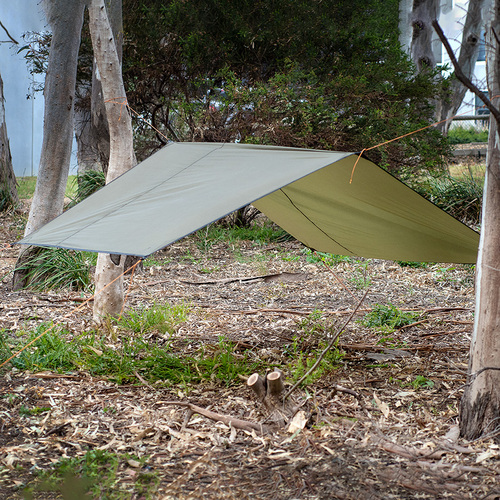
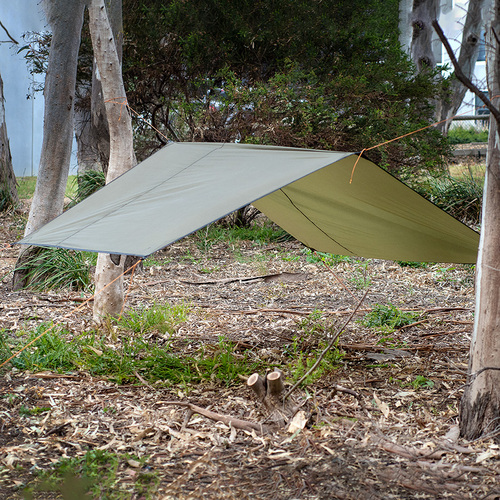
Fly tarps provide a highly versatile shelter solution, functioning either as a standalone system or in combination with bivvy bags. Manufactured to deliver full waterproof coverage, these shelters can be configured in multiple setups depending on environmental conditions, including open lean-to structures, enclosed A-frame configurations, or extended coverage systems for gear protection. Their adaptability makes them suitable for both solo and small group applications, with designs capable of sheltering multiple users when required.
The modular nature of tarp systems allows users to optimise for weight, coverage, and ventilation. Reinforced tie-out points and compatible guyline systems enable secure pitching across varied terrain types, including alpine, forest, and exposed environments. Compared to traditional tents, tarp systems significantly reduce packed weight and bulk, while still providing effective protection from precipitation and wind when correctly configured.
Ground protection systems, including dedicated groundsheets, play a critical role in extending the lifespan of shelter equipment and improving thermal performance. By creating a barrier between the user and the ground surface, groundsheets reduce moisture transfer and protect against abrasion, punctures, and debris. This is particularly important when using lightweight sleep systems where material thickness is reduced to achieve packability.
Emergency shelters represent a specialised category within hunting shelter systems, designed for unplanned exposure scenarios. Compact and lightweight, these shelters are engineered to retain body heat and provide immediate protection from wind and rain in situations where mobility is compromised. Fully enclosed designs with reflective properties assist in maintaining core temperature, reducing the risk of hypothermia during extended wait times in remote environments.
Material selection across shelter systems focuses on achieving high performance under load while maintaining minimal weight. High-denier fabrics are used in high-wear zones to improve durability, while lighter materials are utilised in low-stress areas to reduce overall system weight. Waterproof ratings, often measured in millimetres of hydrostatic head, indicate the level of water resistance, with higher ratings providing increased protection in sustained rainfall conditions.
Packability is a defining factor in hunting shelter design. Systems are engineered to compress efficiently into compact volumes, allowing integration into daypacks or multi-day loadouts without significantly increasing carry burden. This is particularly important in backcountry hunting scenarios where equipment weight directly impacts mobility, endurance, and overall efficiency.
The hunting shelter range is built around adaptability, durability, and weight efficiency. By combining modular shelter components with advanced materials and construction techniques, these systems provide reliable protection across a wide range of environmental conditions while maintaining the flexibility required for mobile hunting applications.