
Hunting Clothing
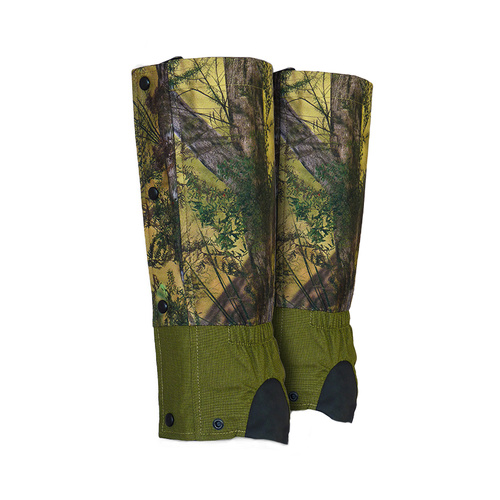
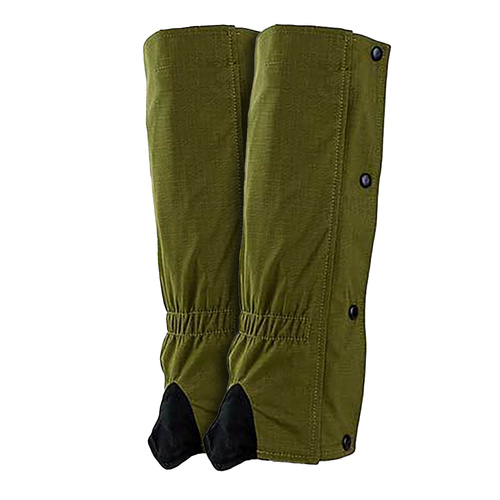
Our clothes tailored to hunting provide lightweight, durable solutions to the demands of the hunt. Our range is built for durability and comfort, including waterproof and ultra-lightweight options. Popular items such as snake gaiters offer essential lower-leg protection in the field, particularly in warmer conditions where environmental hazards are more prevalent.
Hunting clothing is engineered to perform under variable and often extreme conditions, where temperature fluctuations, terrain abrasion, and prolonged wear place high demands on fabric performance and garment construction. The selection prioritises technical materials that balance breathability, moisture management, and weather resistance without compromising mobility or weight efficiency.
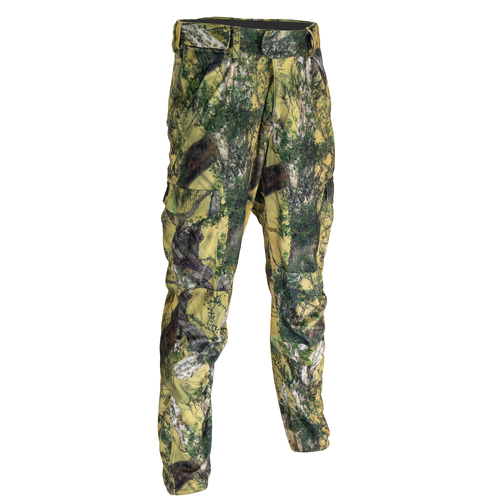
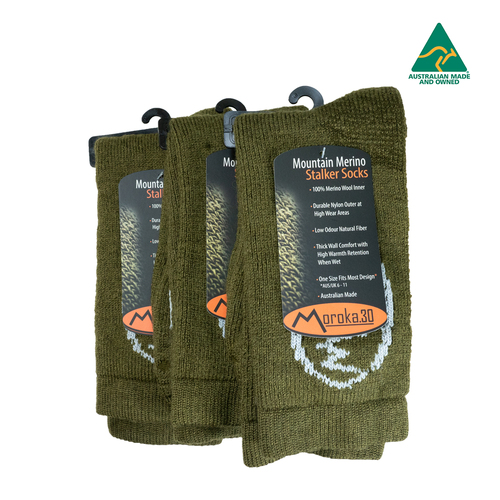
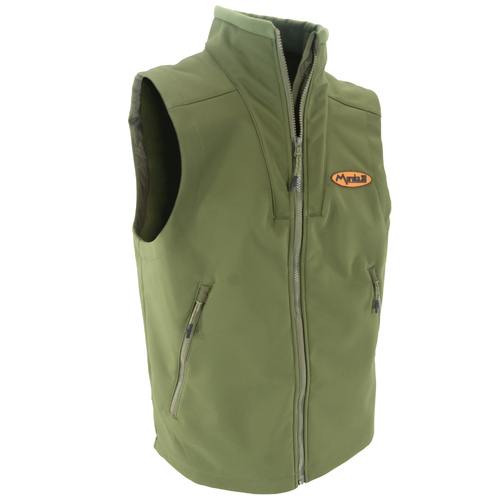
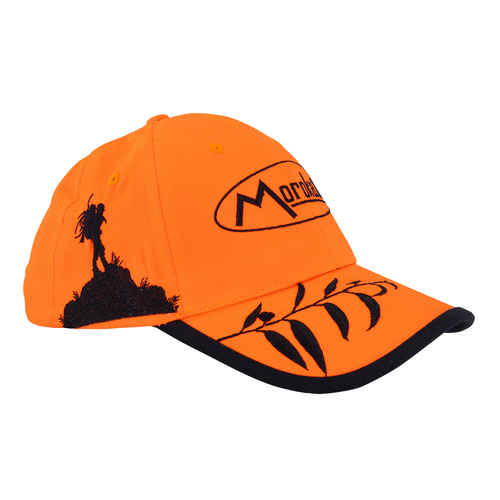
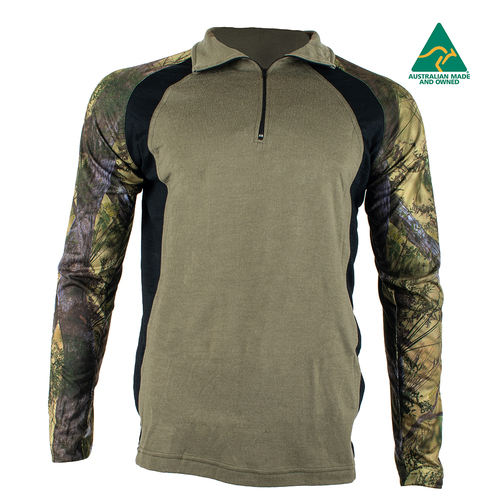
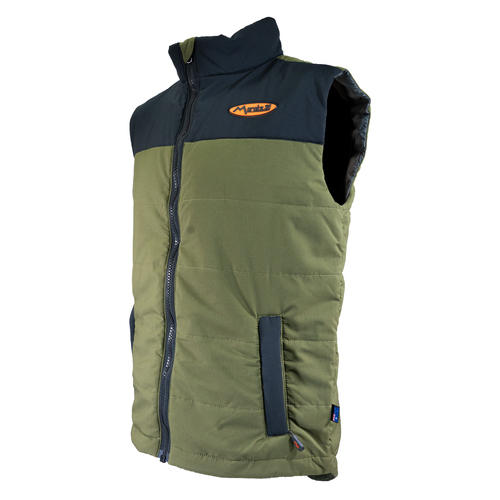
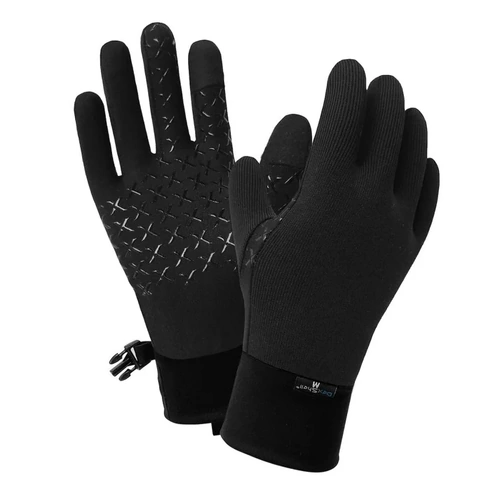
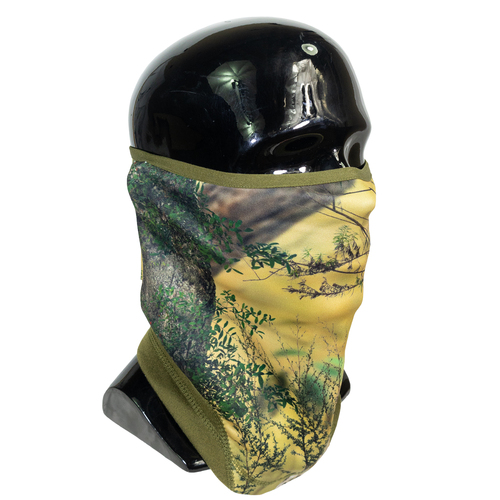
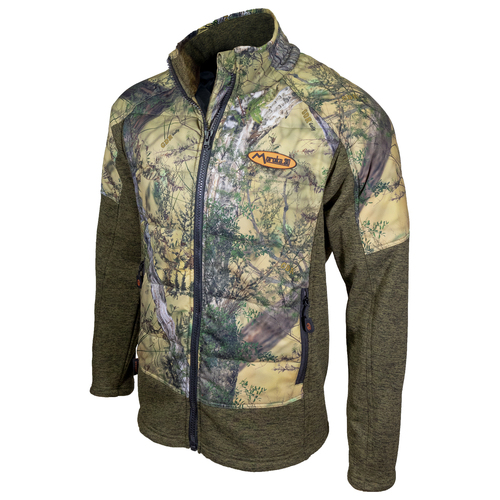
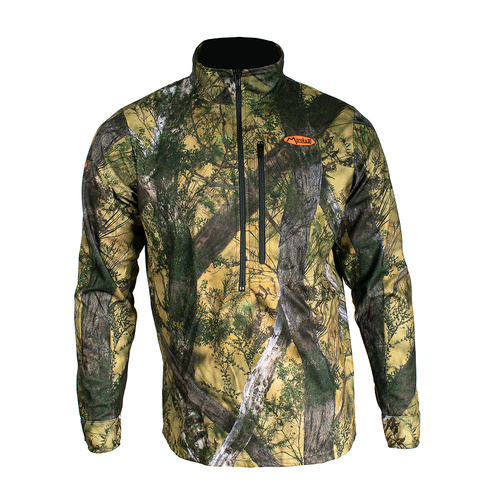
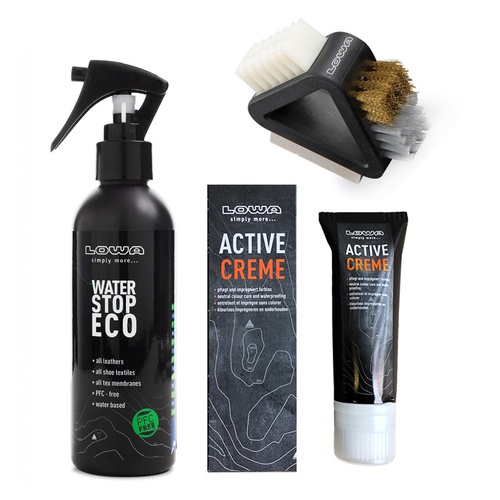
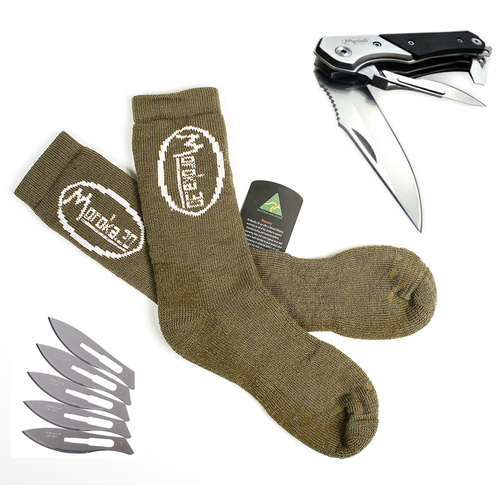
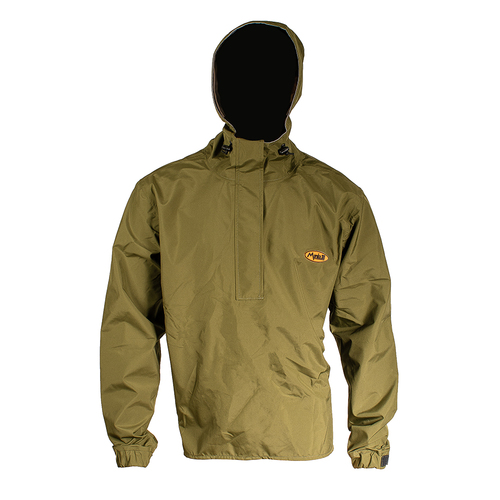
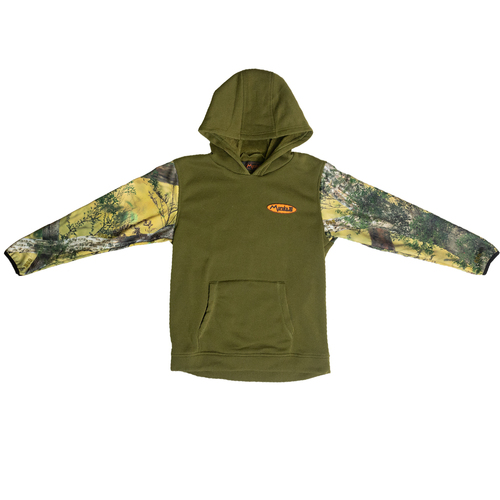
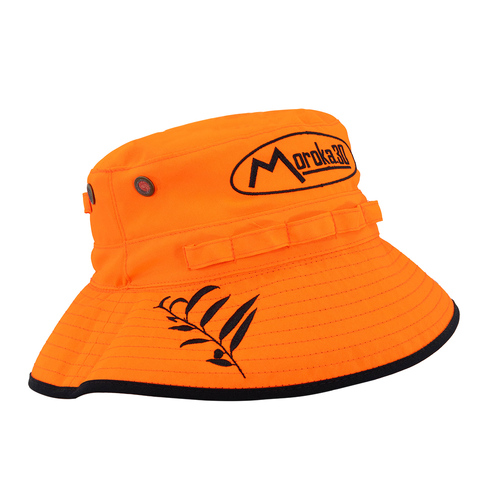
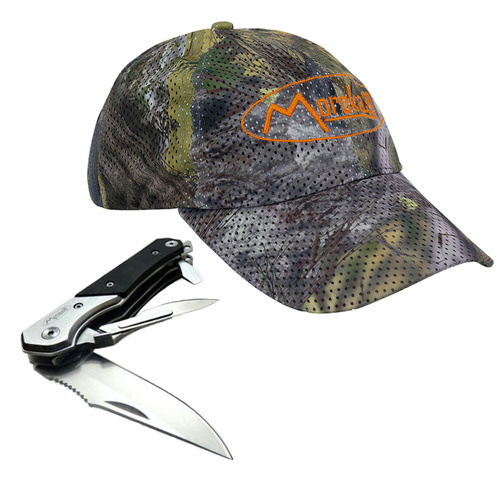
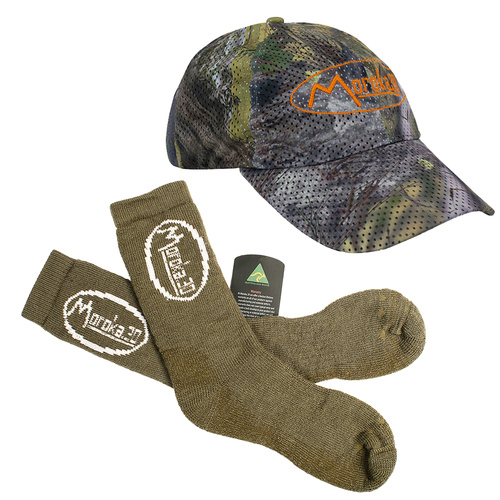
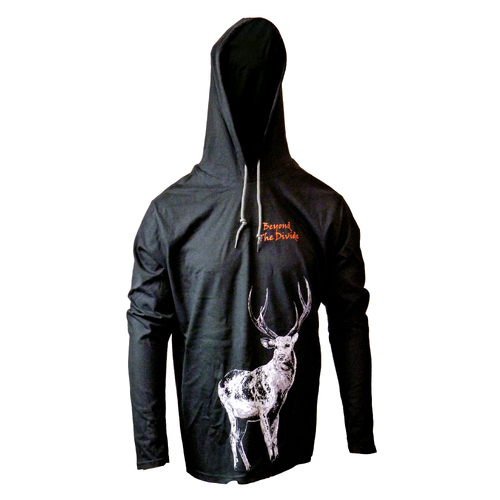
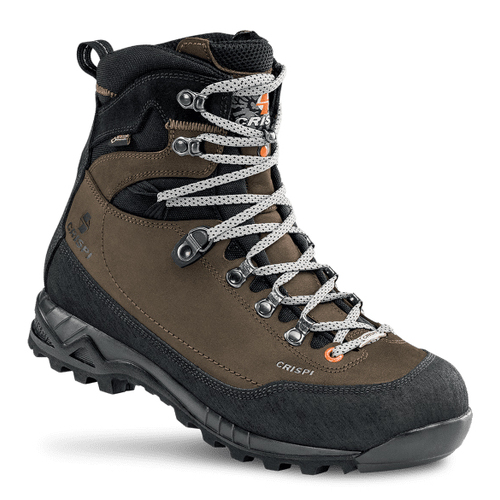
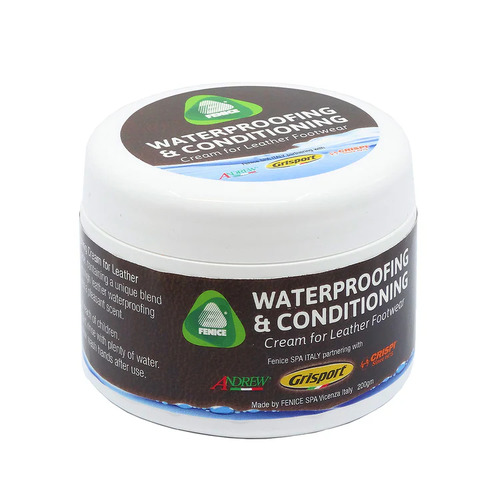
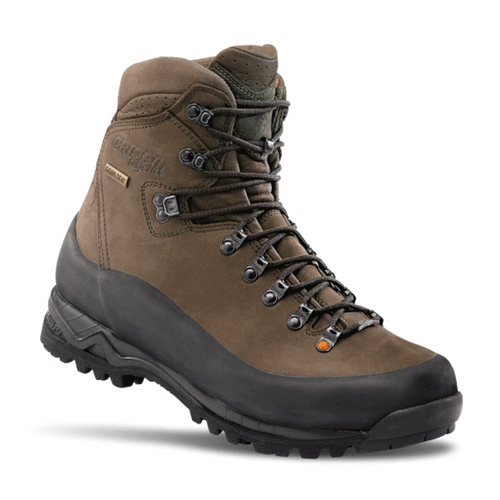
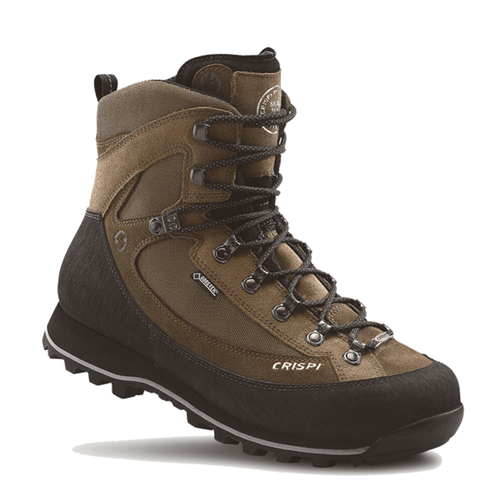
Advanced fabric technologies play a critical role across the range. Lightweight synthetic fibres such as polyester and nylon blends are commonly used due to their high tensile strength, abrasion resistance, and rapid drying properties. These materials are often treated with durable water repellent (DWR) coatings to shed light rain and surface moisture, while maintaining air permeability to prevent heat build-up during high-output movement.
For wet weather applications, waterproof hunting clothing incorporates laminated or coated membranes designed to provide a barrier against water ingress while allowing internal moisture vapour to escape. This helps regulate core temperature and reduces the risk of condensation inside the garment during extended wear. Seam-sealed construction further enhances waterproof performance by eliminating leakage at stitch points.
Layering compatibility is a key consideration in hunting apparel design. Base layers are typically constructed from moisture-wicking fabrics that draw perspiration away from the skin, assisting with thermal regulation and reducing friction. Mid-layers provide insulation through fleece or synthetic fill structures that retain warmth while remaining lightweight and compressible. Outer layers are engineered for protection against wind, rain, and mechanical wear, forming a complete system adaptable to changing environmental conditions.
Fit and ergonomics are optimised to support unrestricted movement across uneven terrain. Articulated patterning, gusseted panels, and stretch fabric integration allow for a greater range of motion when walking, climbing, or crouching. This is particularly important in hunting scenarios where efficiency of movement can directly impact energy expenditure over long distances.
Durability is reinforced through targeted construction techniques in high-wear areas. Reinforced panels, double stitching, and abrasion-resistant overlays are commonly applied to knees, seat areas, and lower legs. These features extend garment lifespan when navigating dense vegetation, rocky surfaces, or repeated ground contact.
Specialised protective accessories, such as snake gaiters, are designed with high-density materials and structured inserts to provide a physical barrier against bites and impacts. These gaiters are typically lightweight enough to maintain mobility while offering critical protection in regions where ground-level hazards are a concern. Secure fastening systems ensure stability during movement, preventing slippage or debris ingress.
Ventilation is another important performance factor. Strategically placed zip vents and mesh-lined openings allow for controlled airflow, enabling heat dissipation during periods of exertion. This reduces the likelihood of overheating and helps maintain consistent comfort levels throughout varying activity intensities.
Weight optimisation remains a priority across all garment categories. Ultralight hunting clothing reduces fatigue over extended periods, particularly when combined with load-bearing equipment. Packability is also considered, with many garments designed to compress efficiently for storage in packs when not in use.
Noise management is addressed through fabric selection and construction methods. Low-noise textiles minimise friction sound during movement, which is beneficial in scenarios requiring reduced detectability. Soft-faced fabrics and brushed finishes are often used in outer layers to limit audible disturbance without sacrificing durability.
The hunting clothing range is designed to integrate functionality, protection, and efficiency across a variety of conditions. By combining technical materials, reinforced construction, and purpose-driven design features, these garments provide reliable performance for extended use in demanding outdoor environments.